I am nut sure what is CSS selector in your case - img.header-logo or other but with correct CSS selector that rule should work.
And in "width" put the desired real width in pixels or % of parent block element width. This can be changed in responsive css rules for different screen sizes.
Writing is a skill that grows with practice, patience, and curiosity. A good writer knows how to turn simple thoughts into meaningful words that connect with readers. Taking a plagmatic https://...
Welcome to the Backdrop community!
My first suspicion would be access to the destination page. Backdrop checks access when building the menu, so a link can be enabled but still be hidden...
Posted36 min 22 sec ago by Antony Milenkov (amilenkov) on:
Comments
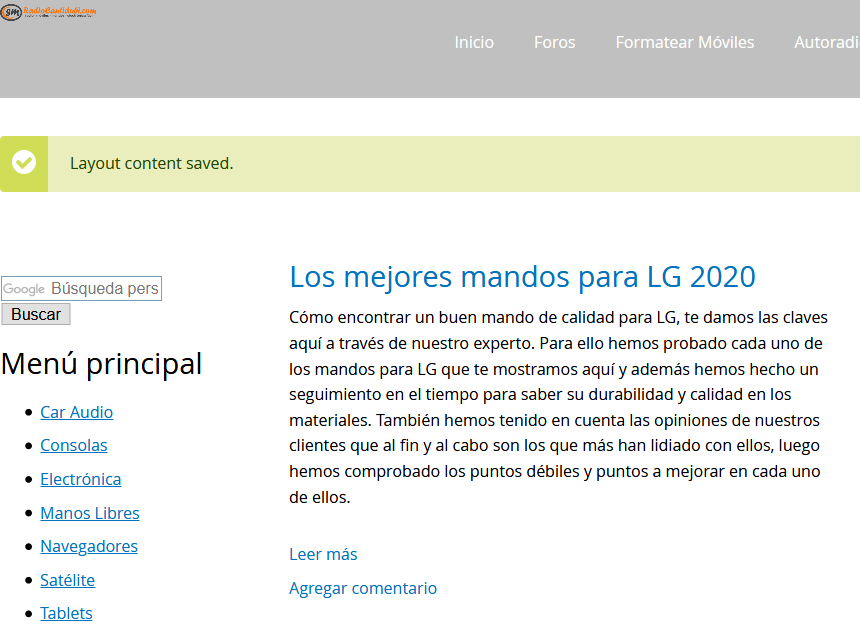
You're right, the logo doesn't display very big. Depending on the site, it's however a good fit, in my opinion. See an example of my test site:
If you want your logo bigger, you could override the corresponding CSS rules, e.g. from
core/themes/basis/css/component/header.css:.header-logo-tall img { width: auto; height: 100%; }and maybe also from
core/themes/basis/css/base.css:img { max-width: 100%; height: auto; }Yes, I fix it with the CSS injector module, but is it normal for the logo to look 60% smaller than the original?
Gracias.
I suppose you can add another CSS code:
img.header-logo {
width: 200px;
height: auto;
}
I am nut sure what is CSS selector in your case - img.header-logo or other but with correct CSS selector that rule should work.
And in "width" put the desired real width in pixels or % of parent block element width. This can be changed in responsive css rules for different screen sizes.